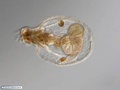
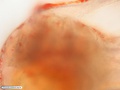
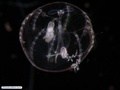
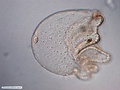
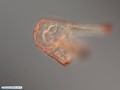
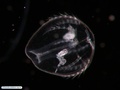
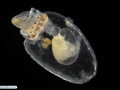
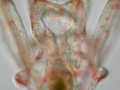
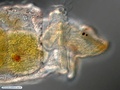
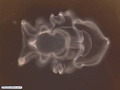
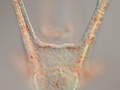
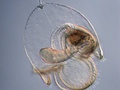
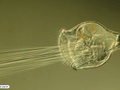
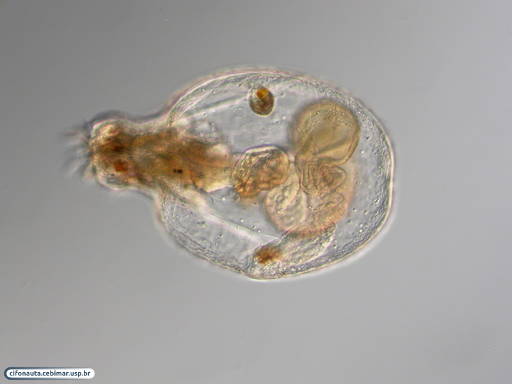
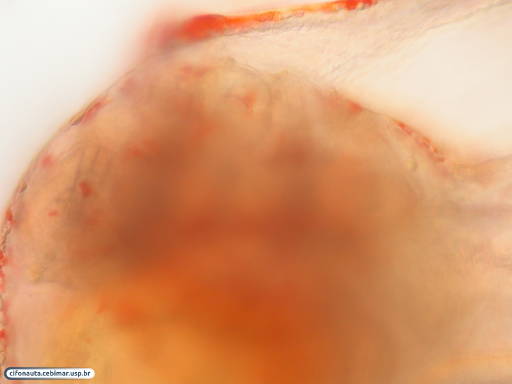
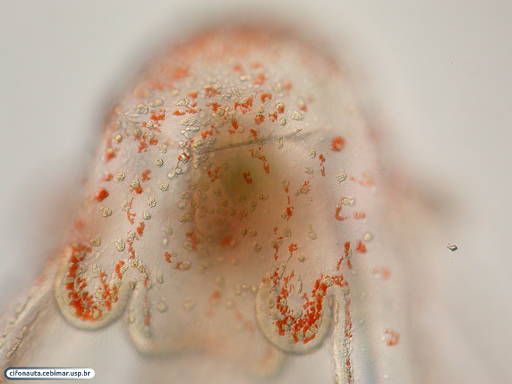
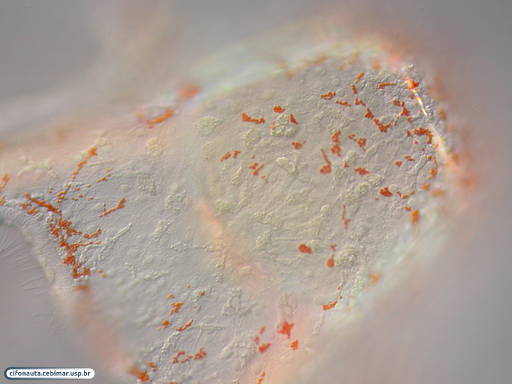
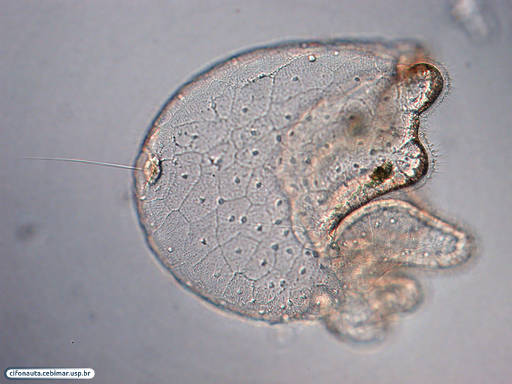
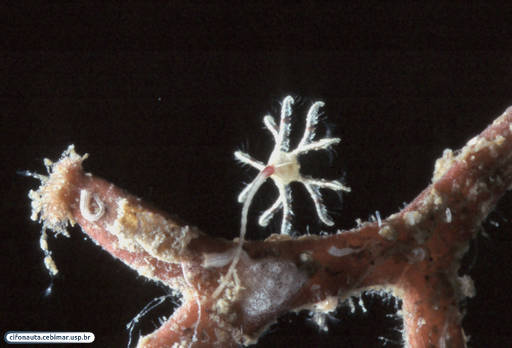
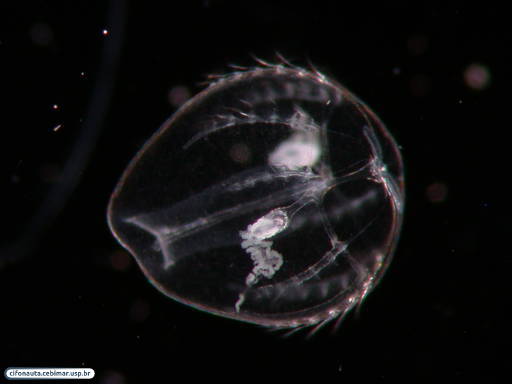
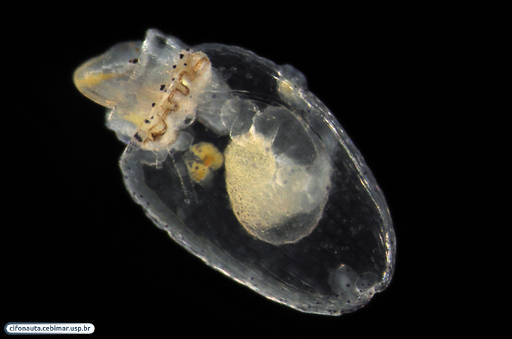
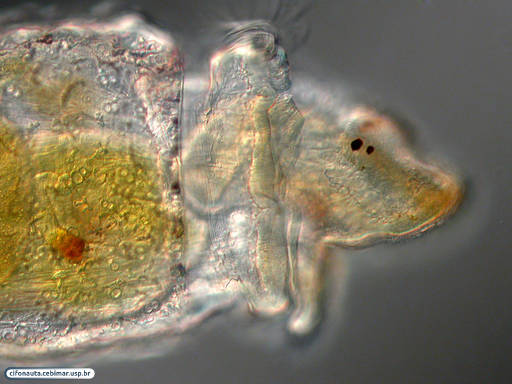
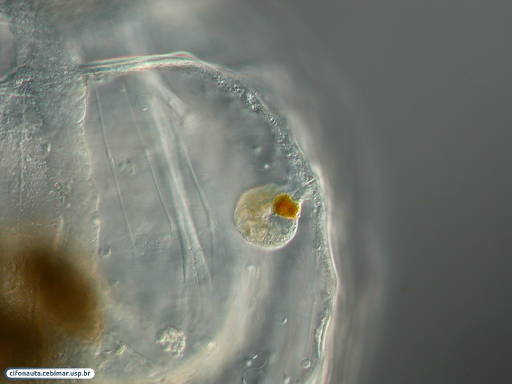
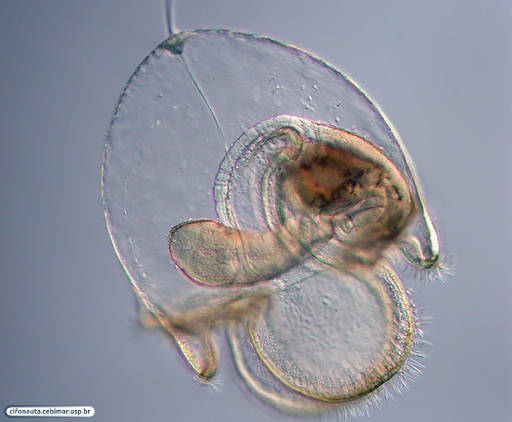
One type of larva typical of bryozoans, cyphonauts spend weeks in the water column until settling on a substrate such as rocks or algae, undergoing metamorphosis into the adult form and creating a new colony.
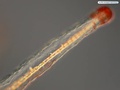
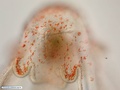
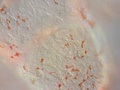
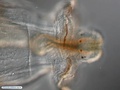
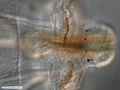
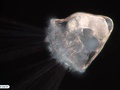
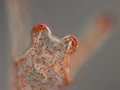
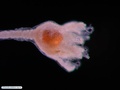
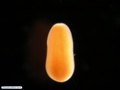
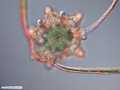
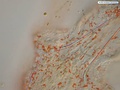
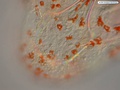
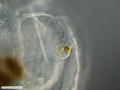
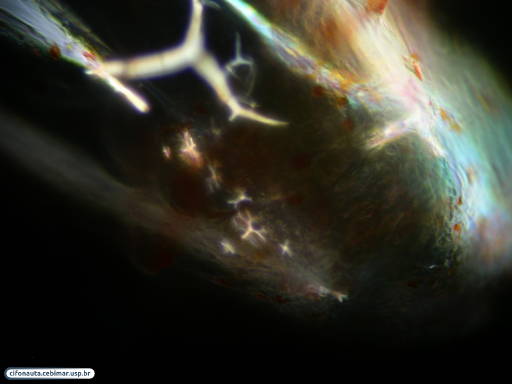
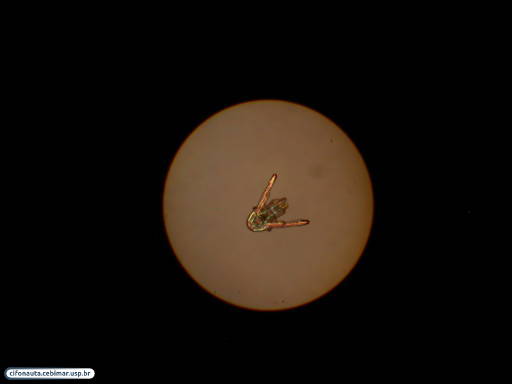
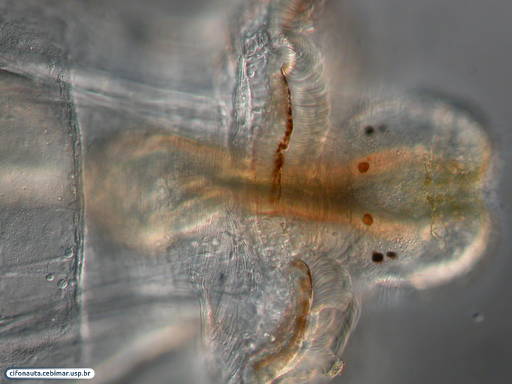
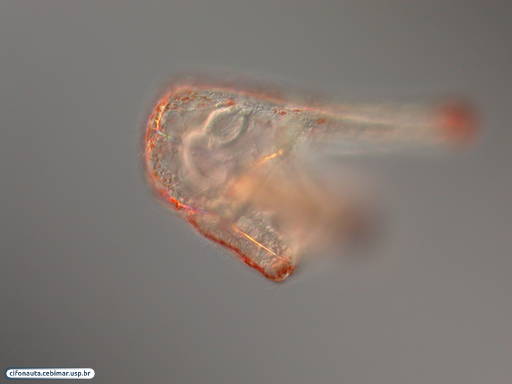
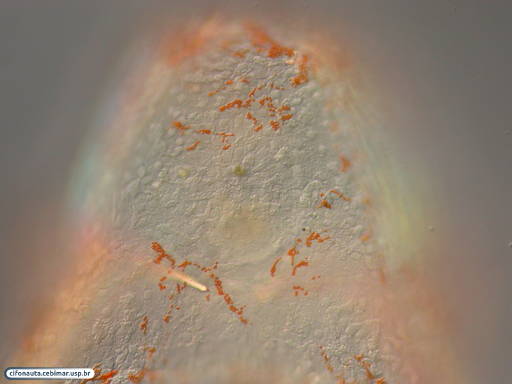
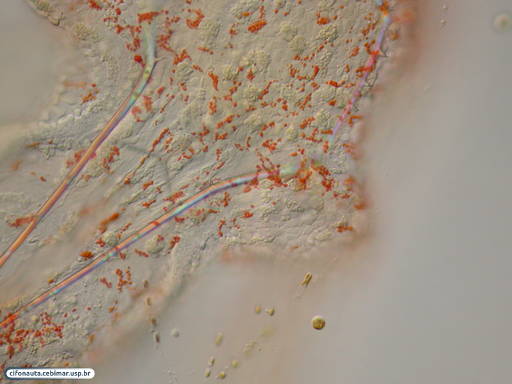
Named pelagosphaerae, the larvae of many species of sipunculan worms are transparent and swim freely in the water column for months before they become the adult stage which has a vermiform appearance and lives buried in sand or mud.
This video shows the life cycle of the sea biscuit Clypeaster subdepressus and is part of my master's thesis project at the Biosciences Institute of University of São Paulo.
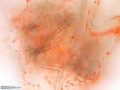
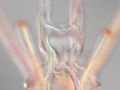
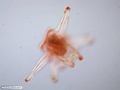
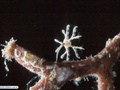
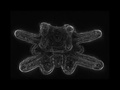
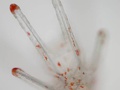
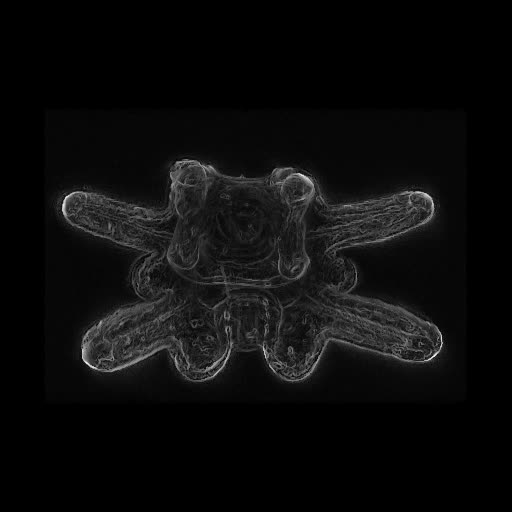
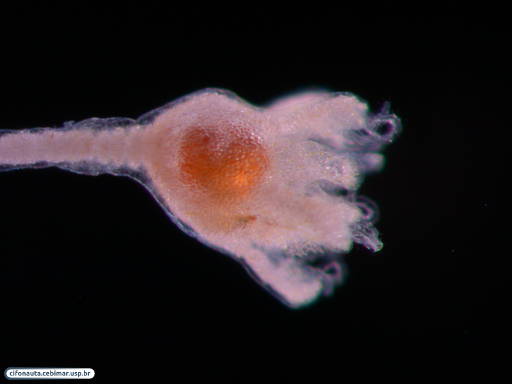
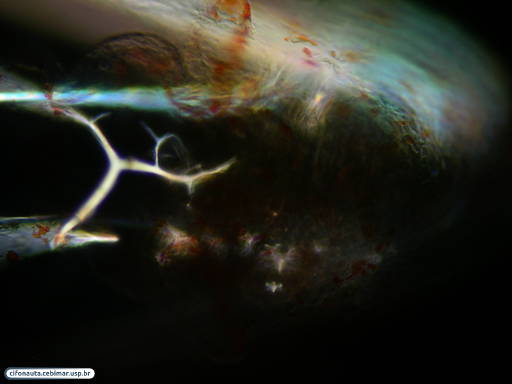
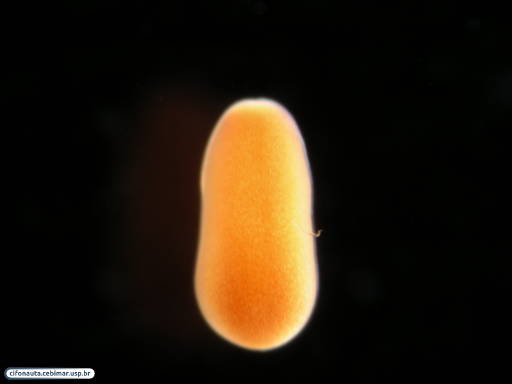
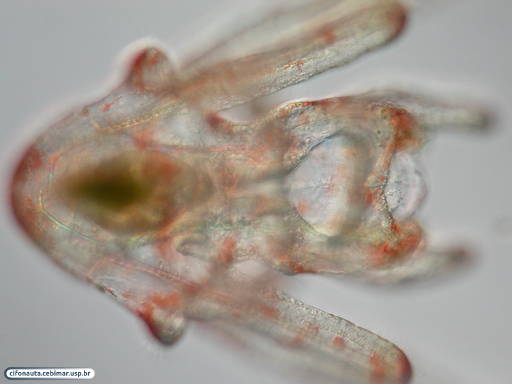
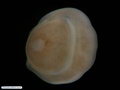
We collected adults from sand beds of São Sebastião Channel (São Sebastião, SP, Brazil) and induced gamete release (eggs and sperm). We did the fertilization in vitro and followed the embryonic development in the laboratory, under light microscopy. Embryos become swimming larvae, approximately 0.2 mm wide, which we fed with microalgae until metamorphosis. A diminute sea biscuit grows inside the larva. When the minuscule podia and spines are formed the larva sinks and undergoes metamorphosis. The juvenile sea biscuit resorbs the larval tissue and begins to explore its new habitat, between sand grains.
The formal description was published in 2010:
http://www.plosone.org/article/info:doi/10.1371/journal.pone.0009654
We did the footage in the Marine Biology Center of University of São Paulo (CEBIMar-USP), located in São Sebastião, SP, Brazil, northern shore of State of São Paulo.
http://www.usp.br/cbm
You can find more information about this project in the website.
http://mestrado.organelas.com
Download the soundtrack from the netlabel AEROTONE.
http://tinyurl.com/MyFirstTrumpet-Frerk
This video is under a Creative Commons by-nc-sa license.
http://creativecommons.org/licenses/by-nc-sa/2.5/br/
Named pelagosphaerae, the larvae of many species of sipunculan worms are transparent and swim freely in the water column for months before they become the adult stage which has a vermiform appearance and lives buried in sand or mud.
One type of larva typical of bryozoans, cyphonauts spend weeks in the water column until settling on a substrate such as rocks or algae, undergoing metamorphosis into the adult form and creating a new colony.
Named pelagosphaerae, the larvae of many species of sipunculan worms are transparent and swim freely in the water column for months before they become the adult stage which has a vermiform appearance and lives buried in sand or mud.