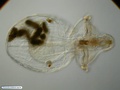
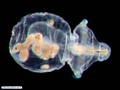
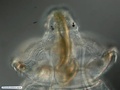
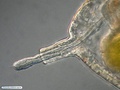
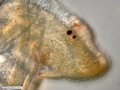
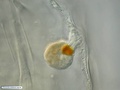
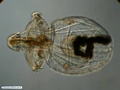
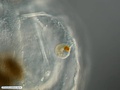
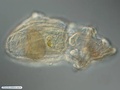
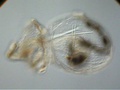
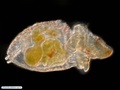
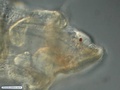
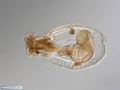
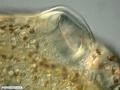
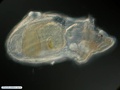
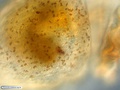
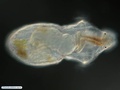
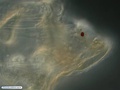
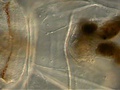
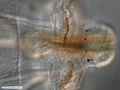
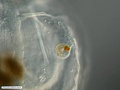
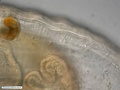
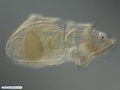
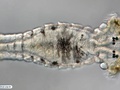
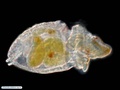
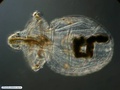
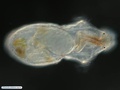
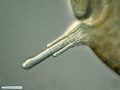
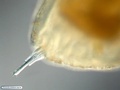
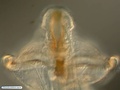
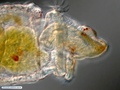
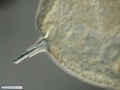
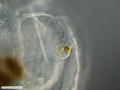
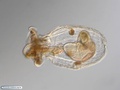
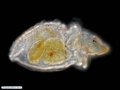
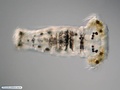
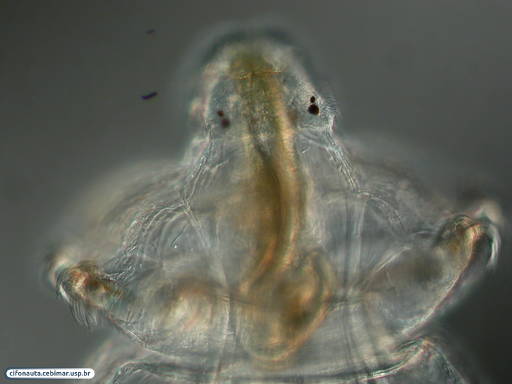
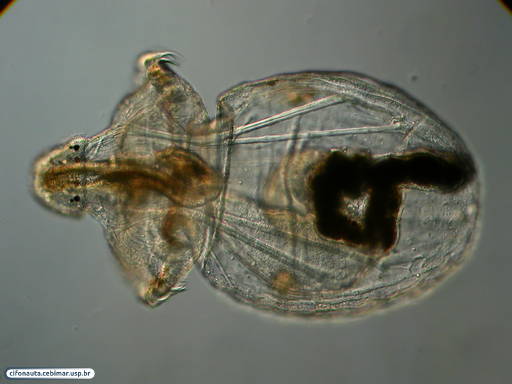
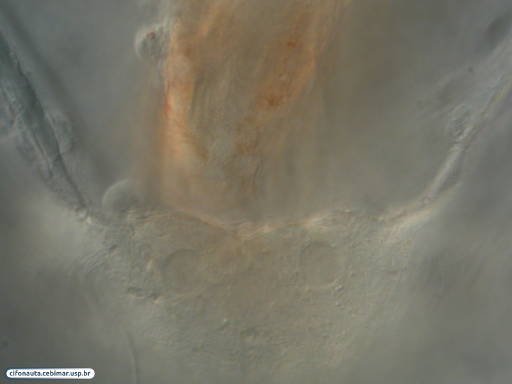
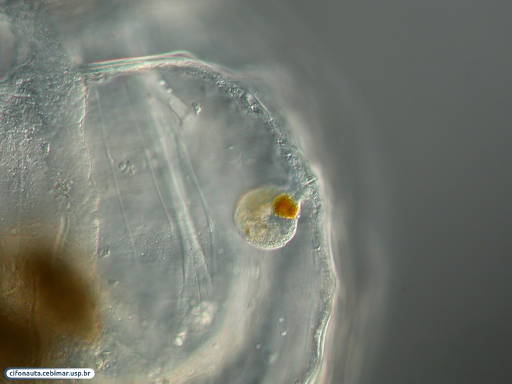
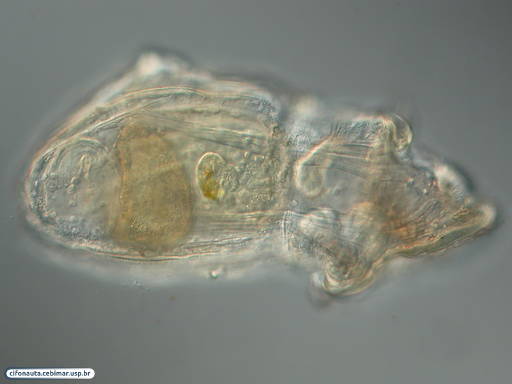
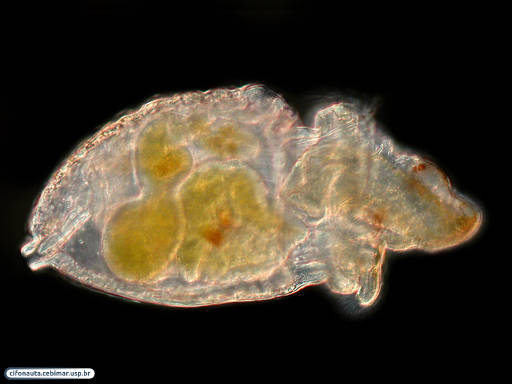
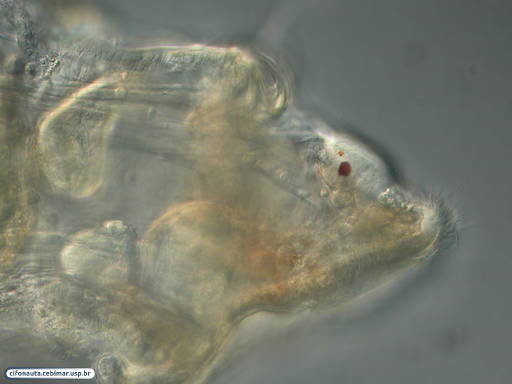
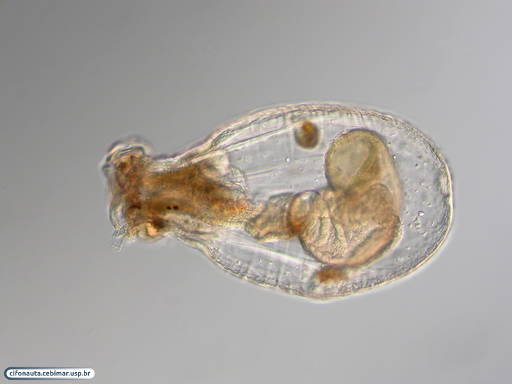
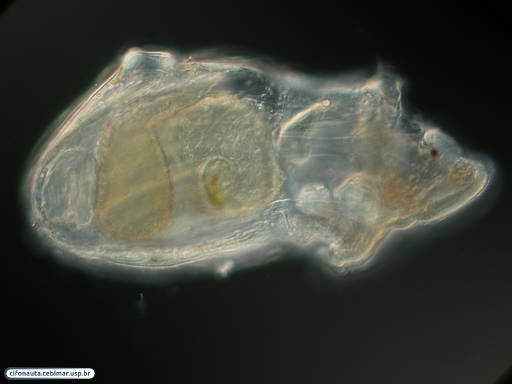
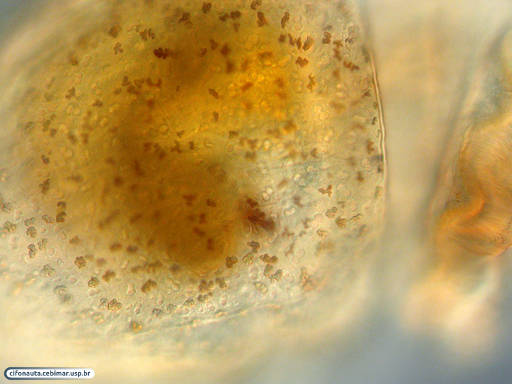
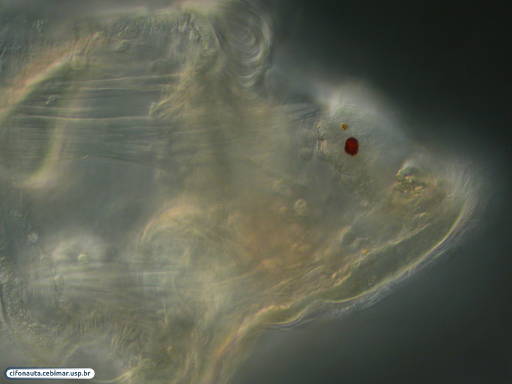
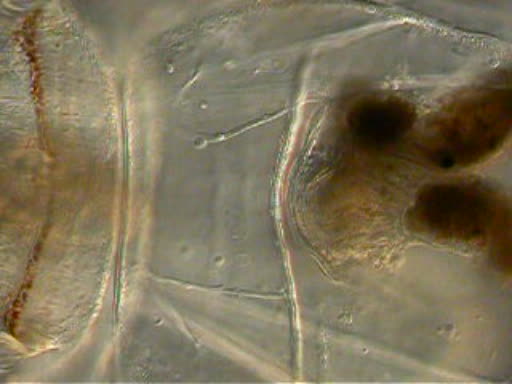
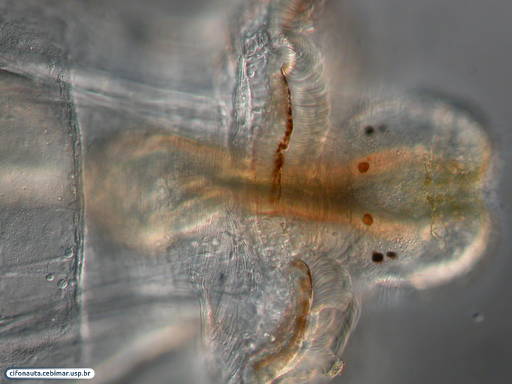
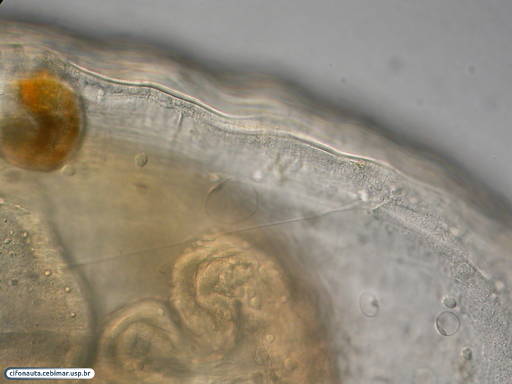
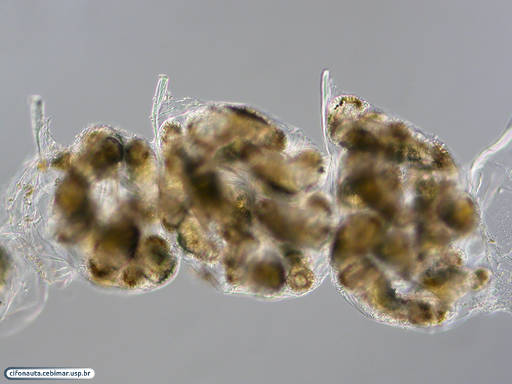
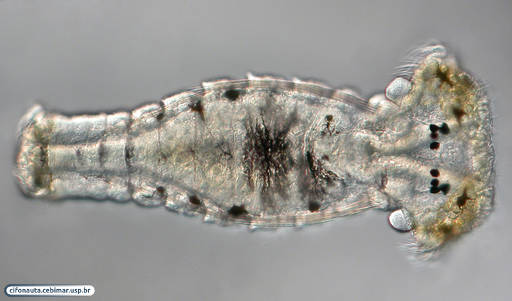
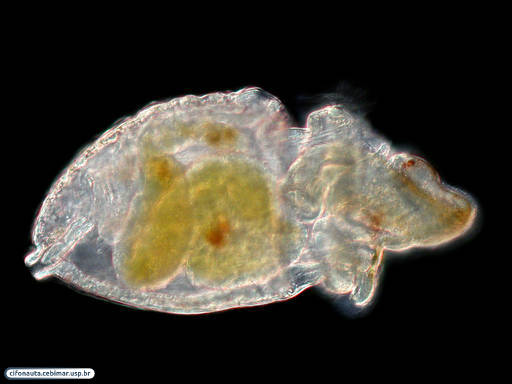
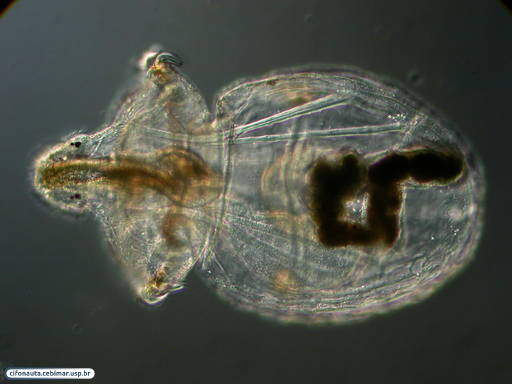
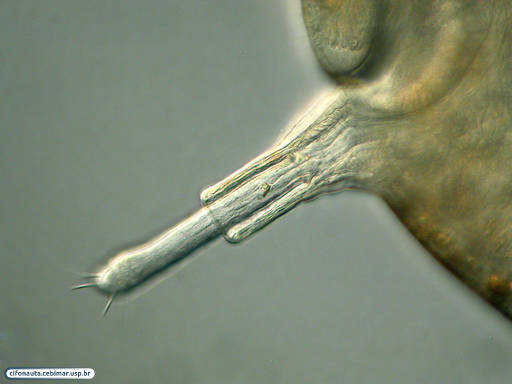
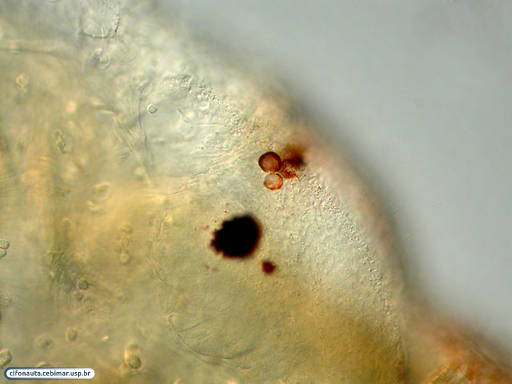
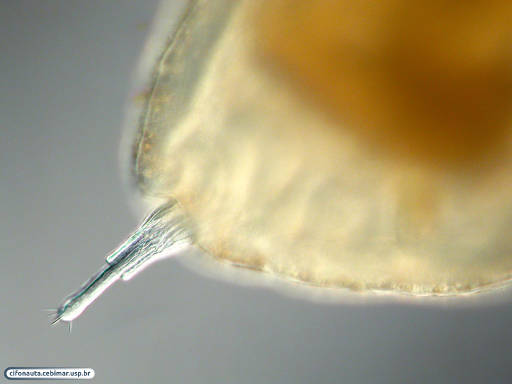
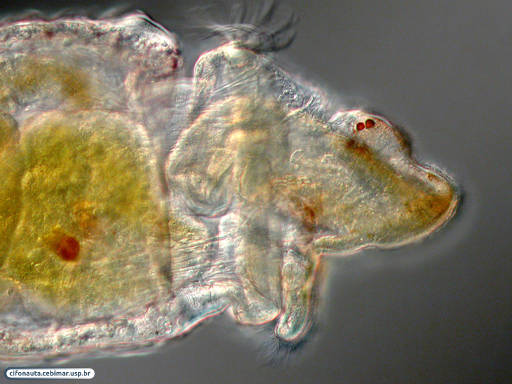
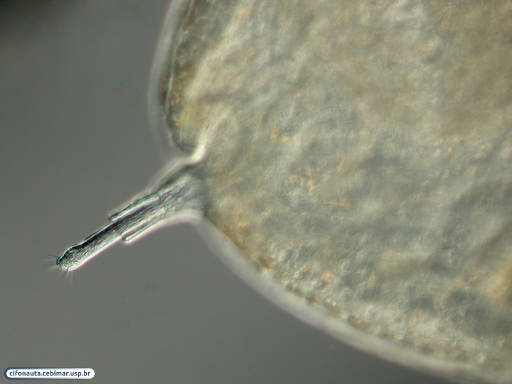
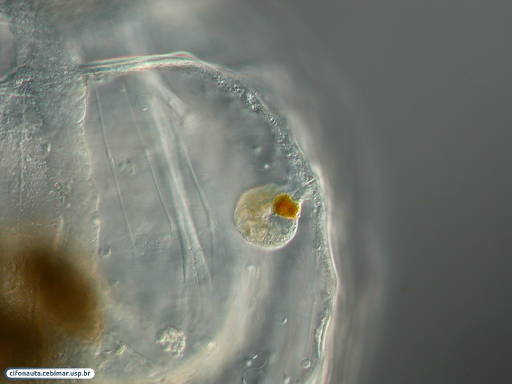
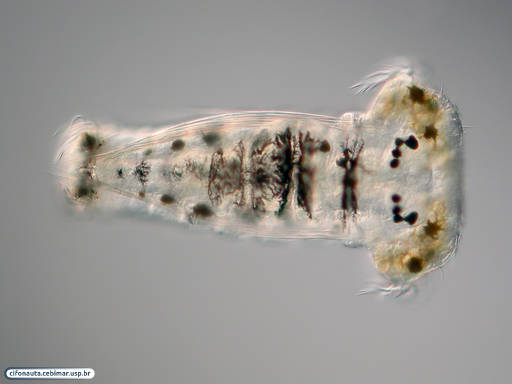
Denominadas pelagosferas, as larvas de muitas espécies de sipuncúlidos são transparentes e nadam livres na água por meses antes de se transformarem no adulto, que tem aspecto vermiforme e vive enterrado na areia ou lodo.
Denominadas pelagosferas, as larvas de muitas espécies de sipuncúlidos são transparentes e nadam livres na água por meses antes de se transformarem no adulto, que tem aspecto vermiforme e vive enterrado na areia ou lodo.
Denominadas pelagosferas, as larvas de muitas espécies de sipuncúlidos são transparentes e nadam livres na água por meses antes de se transformarem no adulto, que tem aspecto vermiforme e vive enterrado na areia ou lodo.
Denominadas pelagosferas, as larvas de muitas espécies de sipuncúlidos são transparentes e nadam livres na água por meses antes de se transformarem no adulto, que tem aspecto vermiforme e vive enterrado na areia ou lodo.
Denominadas pelagosferas, as larvas de muitas espécies de sipuncúlidos são transparentes e nadam livres na água por meses antes de se transformarem no adulto, que tem aspecto vermiforme e vive enterrado na areia ou lodo.
Denominadas pelagosferas, as larvas de muitas espécies de sipuncúlidos são transparentes e nadam livres na água por meses antes de se transformarem no adulto, que tem aspecto vermiforme e vive enterrado na areia ou lodo.
Denominadas pelagosferas, as larvas de muitas espécies de sipuncúlidos são transparentes e nadam livres na água por meses antes de se transformarem no adulto, que tem aspecto vermiforme e vive enterrado na areia ou lodo.
Denominadas pelagosferas, as larvas de muitas espécies de sipuncúlidos são transparentes e nadam livres na água por meses antes de se transformarem no adulto, que tem aspecto vermiforme e vive enterrado na areia ou lodo.
Denominadas pelagosferas, as larvas de muitas espécies de sipuncúlidos são transparentes e nadam livres na água por meses antes de se transformarem no adulto, que tem aspecto vermiforme e vive enterrado na areia ou lodo.
Denominadas pelagosferas, as larvas de muitas espécies de sipuncúlidos são transparentes e nadam livres na água por meses antes de se transformarem no adulto, que tem aspecto vermiforme e vive enterrado na areia ou lodo.
Denominadas pelagosferas, as larvas de muitas espécies de sipuncúlidos são transparentes e nadam livres na água por meses antes de se transformarem no adulto, que tem aspecto vermiforme e vive enterrado na areia ou lodo.
Denominadas pelagosferas, as larvas de muitas espécies de sipuncúlidos são transparentes e nadam livres na água por meses antes de se transformarem no adulto, que tem aspecto vermiforme e vive enterrado na areia ou lodo.
Denominadas pelagosferas, as larvas de muitas espécies de sipuncúlidos são transparentes e nadam livres na água por meses antes de se transformarem no adulto, que tem aspecto vermiforme e vive enterrado na areia ou lodo.
Denominadas pelagosferas, as larvas de muitas espécies de sipuncúlidos são transparentes e nadam livres na água por meses antes de se transformarem no adulto, que tem aspecto vermiforme e vive enterrado na areia ou lodo.
Denominadas pelagosferas, as larvas de muitas espécies de sipuncúlidos são transparentes e nadam livres na água por meses antes de se transformarem no adulto, que tem aspecto vermiforme e vive enterrado na areia ou lodo.
Denominadas pelagosferas, as larvas de muitas espécies de sipuncúlidos são transparentes e nadam livres na água por meses antes de se transformarem no adulto, que tem aspecto vermiforme e vive enterrado na areia ou lodo.
Denominadas pelagosferas, as larvas de muitas espécies de sipuncúlidos são transparentes e nadam livres na água por meses antes de se transformarem no adulto, que tem aspecto vermiforme e vive enterrado na areia ou lodo.
Denominadas pelagosferas, as larvas de muitas espécies de sipuncúlidos são transparentes e nadam livres na água por meses antes de se transformarem no adulto, que tem aspecto vermiforme e vive enterrado na areia ou lodo.
Denominadas pelagosferas, as larvas de muitas espécies de sipuncúlidos são transparentes e nadam livres na água por meses antes de se transformarem no adulto, que tem aspecto vermiforme e vive enterrado na areia ou lodo.
Denominadas pelagosferas, as larvas de muitas espécies de sipuncúlidos são transparentes e nadam livres na água por meses antes de se transformarem no adulto, que tem aspecto vermiforme e vive enterrado na areia ou lodo.
Denominadas pelagosferas, as larvas de muitas espécies de sipuncúlidos são transparentes e nadam livres na água por meses antes de se transformarem no adulto, que tem aspecto vermiforme e vive enterrado na areia ou lodo.
Denominadas pelagosferas, as larvas de muitas espécies de sipuncúlidos são transparentes e nadam livres na água por meses antes de se transformarem no adulto, que tem aspecto vermiforme e vive enterrado na areia ou lodo.
Denominadas pelagosferas, as larvas de muitas espécies de sipuncúlidos são transparentes e nadam livres na água por meses antes de se transformarem no adulto, que tem aspecto vermiforme e vive enterrado na areia ou lodo.
Denominadas pelagosferas, as larvas de muitas espécies de sipuncúlidos são transparentes e nadam livres na água por meses antes de se transformarem no adulto, que tem aspecto vermiforme e vive enterrado na areia ou lodo.
Denominadas pelagosferas, as larvas de muitas espécies de sipuncúlidos são transparentes e nadam livres na água por meses antes de se transformarem no adulto, que tem aspecto vermiforme e vive enterrado na areia ou lodo.
Denominadas pelagosferas, as larvas de muitas espécies de sipuncúlidos são transparentes e nadam livres na água por meses antes de se transformarem no adulto, que tem aspecto vermiforme e vive enterrado na areia ou lodo.
Denominadas pelagosferas, as larvas de muitas espécies de sipuncúlidos são transparentes e nadam livres na água por meses antes de se transformarem no adulto, que tem aspecto vermiforme e vive enterrado na areia ou lodo.
Denominadas pelagosferas, as larvas de muitas espécies de sipuncúlidos são transparentes e nadam livres na água por meses antes de se transformarem no adulto, que tem aspecto vermiforme e vive enterrado na areia ou lodo.
Denominadas pelagosferas, as larvas de muitas espécies de sipuncúlidos são transparentes e nadam livres na água por meses antes de se transformarem no adulto, que tem aspecto vermiforme e vive enterrado na areia ou lodo.
Denominadas pelagosferas, as larvas de muitas espécies de sipuncúlidos são transparentes e nadam livres na água por meses antes de se transformarem no adulto, que tem aspecto vermiforme e vive enterrado na areia ou lodo.
Denominadas pelagosferas, as larvas de muitas espécies de sipuncúlidos são transparentes e nadam livres na água por meses antes de se transformarem no adulto, que tem aspecto vermiforme e vive enterrado na areia ou lodo.
Denominadas pelagosferas, as larvas de muitas espécies de sipuncúlidos são transparentes e nadam livres na água por meses antes de se transformarem no adulto, que tem aspecto vermiforme e vive enterrado na areia ou lodo.
Denominadas pelagosferas, as larvas de muitas espécies de sipuncúlidos são transparentes e nadam livres na água por meses antes de se transformarem no adulto, que tem aspecto vermiforme e vive enterrado na areia ou lodo.
Denominadas pelagosferas, as larvas de muitas espécies de sipuncúlidos são transparentes e nadam livres na água por meses antes de se transformarem no adulto, que tem aspecto vermiforme e vive enterrado na areia ou lodo.
Denominadas pelagosferas, as larvas de muitas espécies de sipuncúlidos são transparentes e nadam livres na água por meses antes de se transformarem no adulto, que tem aspecto vermiforme e vive enterrado na areia ou lodo.
Denominadas pelagosferas, as larvas de muitas espécies de sipuncúlidos são transparentes e nadam livres na água por meses antes de se transformarem no adulto, que tem aspecto vermiforme e vive enterrado na areia ou lodo.
Denominadas pelagosferas, as larvas de muitas espécies de sipuncúlidos são transparentes e nadam livres na água por meses antes de se transformarem no adulto, que tem aspecto vermiforme e vive enterrado na areia ou lodo.